Your CMS is reaching end-of-life. Your content, rankings, and integrations don’t have to go down with it.
We move sites off legacy platforms, and we’ve done it enough times to know where the bodies are buried. The design can stay. The URLs can stay. What changes is the system underneath, and who can work on it.
How to know you’re on borrowed time
Security patches have slowed or stopped for your CMS version.
The developers who know your platform are getting harder, and pricier, to find.
Your hosting requires an old PHP or .NET version your host keeps warning you about.
The plugin or module ecosystem is abandoned; every small change needs a specialist.
You’re one failed upgrade away from a rebuild anyway. Just an unplanned one.
If two or more of these sound familiar, the question isn’t whether you replatform. It’s whether you do it on your schedule or your platform’s.
How a replatform actually works
Assess
We inventory what you have: content types, templates, integrations, user roles, URL structure, and the customizations nobody documented. This is where surprises get found. On purpose, early.
Map
Every content type, field, and URL gets a destination in the new CMS. Redirects are planned here, not discovered after launch. Your search rankings ride on this step.
Rebuild
We build the new site on the target platform, usually WordPress or Craft CMS, chosen for your team, not ours. Content migrates by script where possible, by hand where it matters.
Cutover
Staged launch with the old site still warm behind it. Redirects live, forms tested end-to-end, monitoring on. You approve before DNS moves.
Where we start from
The platforms we’re asked to leave most often. Pick yours.
 Moving off ExpressionEngine
ExpressionEngine
We’ve run ExpressionEngine sites for years, including the unglamorous work of upgrading EE2 to EE3 and navigating ExpressionEngine’s end-of-life. That history is exactly why clients ask us to get them off it. An EE migration means untangling channels, fields, and templates into a structure a modern CMS understands, and keeping the URLs that earned your traffic.
ExpressionEngine services Moving off DotNetNuke
DotNetNuke
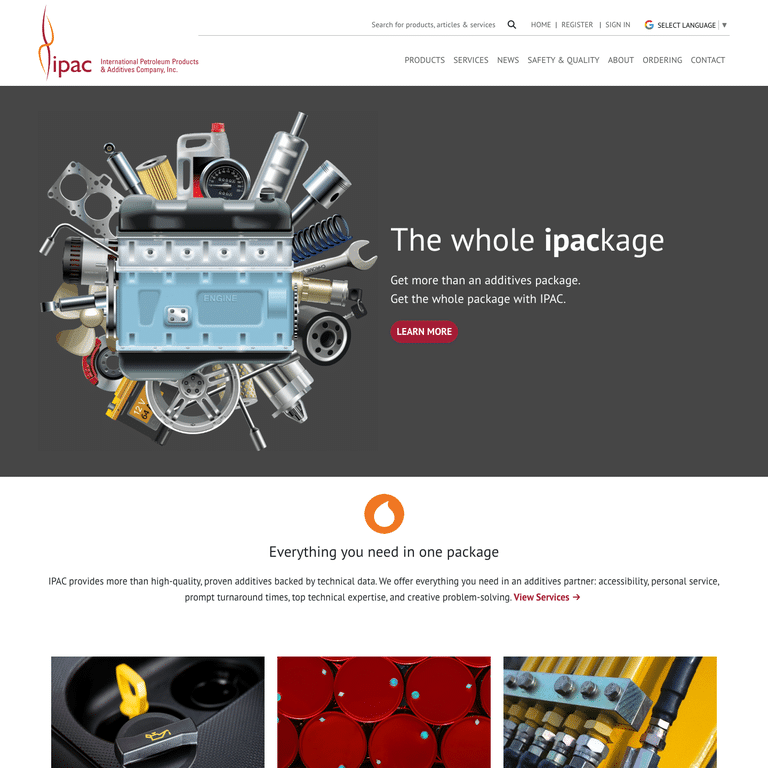
DNN sites don’t fail loudly. They just get more expensive to touch every year. We still support legacy DNN sites, which means we migrate off DNN with a working knowledge of what’s actually inside one: modules, portals, membership systems, and the .NET hosting stack underneath. See how that went for NH&RA below.
DotNetNuke servicesWebflow
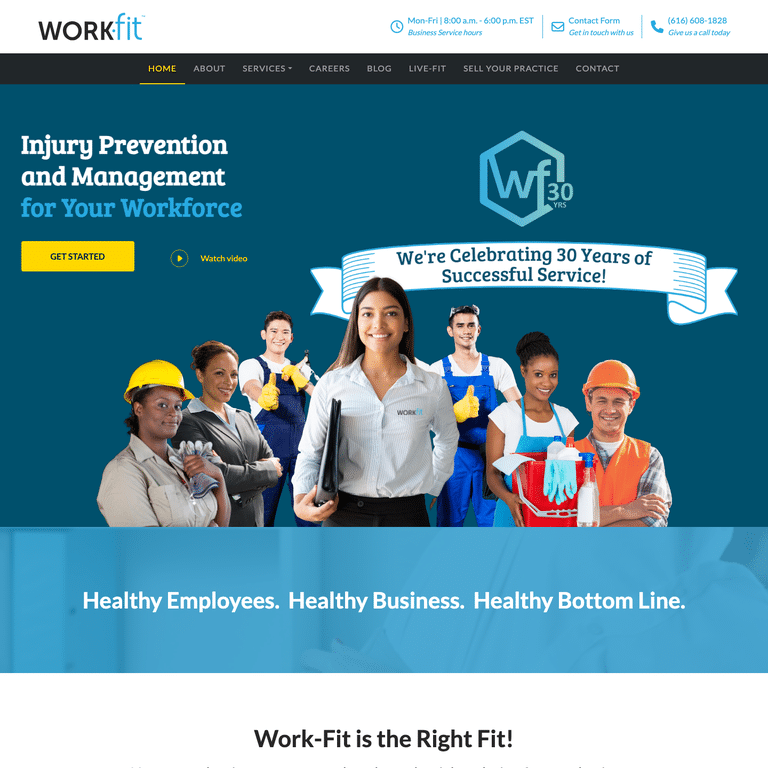
Webflow is an easy place to start and a hard place to stay once a site outgrows it. The usual reasons we get the call: the rest of the company already runs WordPress, more than one person needs to publish, or the site has hit the limits of a hosted builder. We rebuild in WordPress with the design carried across intact, move the pages and the blog, and coordinate the domain cutover with your team so nothing goes dark. See how that went for Work-Fit below.
Work-Fit: Webflow to WordPressSomething else
Custom-built CMS from a defunct vendor? A data layer that outlived its CMS? A publication that needs to leave its parent site? We’ve moved those too. See IASG, Down Under Endeavours, and Tax Credit Advisor below.
Replatforms we’ve shipped

IASG
The largest open database of managed-futures programs had already moved its site to WordPress. What it couldn’t move was the data layer: programs, performance statistics, and user accounts still ran through a legacy .NET API that had become the hardest part of the site to change. v2 replaced it with an API cre8 built and owns, with the pages and URLs untouched. Cut over September 2026.
View project
NH&RA
A .NET membership site moved to WordPress without losing what made it work: integration with their member-management system, member-only content, and event registration. Now on a platform their team can run, and redesigned on it four years later.
View project
Work-Fit
The industrial-health brand of Alliance Physical Therapy Partners, a national PT-led company, was the one site in its fleet still on Webflow. We rebuilt it in WordPress on Azure with the design carried across, moved the content, and coordinated the domain cutover with their team. Live January 2026, with form submissions and traffic up since.
“They made what was an overwhelming project for our team into a managed project.”View project

Tax Credit Advisor
A monthly publication that lived inside NH&RA’s housingonline.com. We spun it out into its own WordPress site with custom editorial tools and Stripe-powered subscriptions, so the magazine could run, and sell, on its own.
A site “that makes our complex content easy to publish, and even easier for readers to find.”View project

Down Under Endeavours
A travel company stuck on a custom CMS no one could extend. We replatformed to WordPress, carried the design and content over, made it mobile-friendly, and wired in ActiveCampaign. Nine years later, a full revamp on the same platform.
View projectReplatforming questions, answered straight
Will we lose our search rankings?
Not if the migration is mapped properly. Rankings are lost when URLs change without redirects, or content gets thinned out in transit. Redirect mapping is step 2 of our process, not an afterthought.
Can we keep our current design?
Yes. A replatform changes what’s under the hood; it doesn’t have to change what visitors see. Down Under Endeavours kept their design through the move. That said, if the design is also a decade old, a replatform is the cheapest moment to refresh it. If you’re weighing which comes first, read CMS replatforming vs. redesign.
What happens to our content?
It’s inventoried in the assessment, mapped field by field, and migrated: scripted for volume, by hand where structure or formatting matters. Nothing moves unaccounted for.
How long does a replatform take?
It depends on content volume, custom functionality, and integrations. The assessment exists to answer this for your site specifically, with a real scope instead of a guess.
What does it cost?
Driven by the same three things: content volume, custom functionality, integrations. The assessment produces a fixed scope, so you’re not signing up for open-ended hours.
Our CMS still works. Why move now?
Because migrations done under deadline pressure, after a security incident, a failed upgrade, or a host dropping support, cost more and cut corners. A working site is the best starting point you’ll ever have.
Start with the assessment
Tell us what you’re running and what’s pushing you off it. We’ll tell you what a migration actually involves: scope, sequence, and the surprises to expect.